
30
Jan
Jan

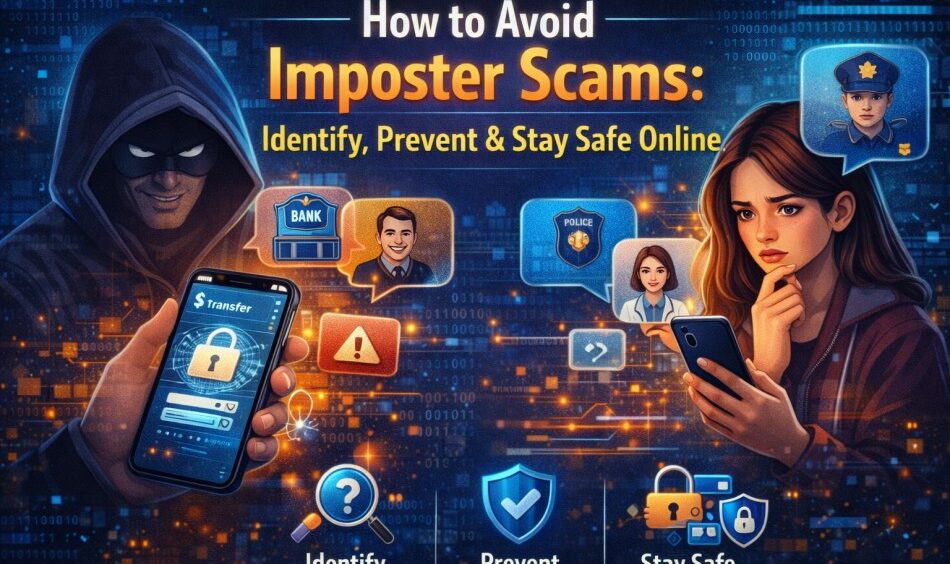
How to Avoid Imposter Scams: Identify, Prevent & Stay Safe Online
-
knowlegde-centre / 2 months
- January 30, 2026
- 0

Digital literacy, it is a highly valuable knowledge that improves your ability to access, manage, understand and use online services. One core component of digital literacy is being protected from impersonation scams. Such fraudulent activities can harm you financially and emotionally. Thus, being aware of their structure, common types and indicators can help you identify and prevent you from exposure to financial and identity-related harm.
What is an Impersonation Scam?
An impersonation scam (Also known as the imposter scam) is a type of fraudulent activity where a scammer pretends to be a trusted person or organisation to trick individuals. The main intention of the scammer in this situation is to take funds and personal details or access to confidential data that can harm the individual. Understanding the impersonation scams meaning helps you know how these scams show urgency, fear or authority to pressure victims to act quickly without the verification of the request.
How Do Impersonation Scams Work?
The following is a brief breakdown of the scammers’ process into clear stages to show you how impersonation scams work. Each stage highlights a specific tactic used to harm victims.
Initiation
Imposter scams usually begin with unexpected contact. Scammers reach out to you through phone calls, emails, text messages or social media channels. They may pretend to be a bank representative, government agent, company associate, your superior in the workplace or a known person.
Establish Trust
Once the fraudulent person successfully makes contact with you, they may use official-sounding language, show fake identification numbers, logos or details from public sources. Some impersonators may act professionally, while others mimic the voice of your friend or family members.
Request for Information
Once impersonators gain your trust, they ask for sensitive information. This information can include passwords, one-time passwords (OTPs), banking details and payments for bank impersonation scams. Besides banking, they may also scam by creating urgency related to account suspension or missed opportunities.
Exploitation
In the final stage, the scammer uses the collected sensitive information to harm the individuals. This can also be done through phishing scams, in which the victim is tricked into sharing sensitive information or transferring funds into a certain account.
Types of Imposter Scams
The imposter-related fraud can be performed in multiple ways in which the impersonators try to gain your trust. The following are a few common types of impersonation fraud that occur to individuals:
1. Government and Law Enforcement Imposter Scams
The government imposter scams often occur through cyber fraudsters claiming that you owe taxes, fines, and have legal issues. They often use the threat of arrest, legal action or loss of benefits to create fear and urgency. Impersonators pressure you to make immediate payments through unusual methods like gift cards or wire transfers.
2. Business Imposter Scams
Impersonators use business impersonation fraud by targeting customers or partners. To contact victims, scammers may use fake emails, websites or phone numbers that closely resemble real businesses. Their common goals are to steal payments, login credentials and sensitive data by taking advantage of routine business processes.
3. CEO Fraud
The CEO impersonation fraud is where scammers present themselves as a member of your organisation to get important information. They tend to be your boss or the CEO of the organisation. Since it comes from an authoritative figure, people might not even cross-check and reconfirm the authenticity of the request.
4. Customer impersonation
In customer impersonation frauds, the fraudsters impersonate the actual customers of the business. They may claim account problems, request refunds or attempt to change payment details. These scams are intended to harm the customer service process and can result in financial losses or unauthorised data exposure.
5. Vendor or supplier impersonation
Scammers impersonate vendors or suppliers to change payment information or send fake invoices. Most of the time, they keep everything the same and just change the banking details. Through this imposter fraud, impersonators try to make fraudulent transactions.
6. Family and Romance Scam
In family and romance scams, attackers take advantage of emotional trust by directing victims to brand impersonation websites that closely resemble legitimate shopping, travel, or service platforms. These fake sites are designed to deceive users into sharing payment details or personal information.
Real-World Examples of Impersonation Scams
Here are a few real-life examples in which impersonations can harm individuals through imposter scams:
University Student
Someone calls a university student, stating that they are a representative of the university that the student is studying in and that there is a problem with the scholarship documentation. The caller sounded professional and asked the student to confirm their identity by sharing login credentials.
Business Scam
A business owner received an urgent email that appears to come from a tax regulatory body or scammers impersonating police, stating a demand for unpaid taxes. Because of the fear of legal risks, the owner followed the payment instructions and transferred funds to scammers.
How to Spot Imposter Scams
You can look out for the following signs to identify online scamming methods:
- The message or voice of the caller may influence you to act quickly or create a sense of urgency.
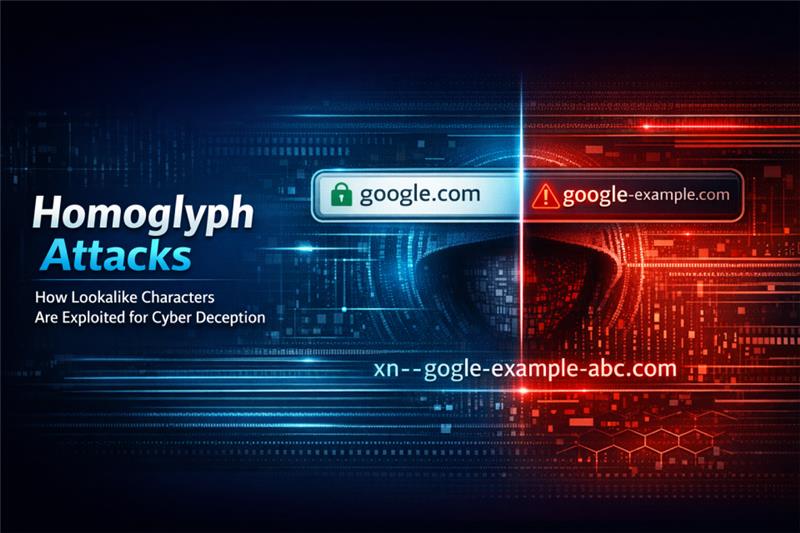
- The email ID of the fraudulent mail is a close spoof to the actual business, but differs by a few characters from the original ID.
- The most common sign of social media impersonation is unexpected requests for personal information or funds.
- Fraudulent emails or messages often have poor grammar, spelling mistakes or inconsistency in contact details.
- Scammers may make requests for sensitive data such as passwords, bank account credentials or OTPs.
Tips to Safeguard Yourself from Impersonation Scams
In order to stay safe from such fraudulent activities, you can follow the below impersonation protection methods:
- Always verify the authenticity of unsolicited numbers, persons, URLs and messages.
- Use strong passwords that include a combination of letters, symbols and numbers within a minimum of 8 – 10 characters.
- Don’t open unverified links, as they can be Facebook impersonation scams, where fraudsters can steal your social media credentials.
- If you suspect any fraudulent activity, report the scam immediately to authoritative bodies.
- Use antivirus solutions that have total security for both fraudulent call alerts as well as complete internet protection.
Data Spotlight: How Scammers Are Stealing Older Adults’ Life Savings
Older adults are highly prone to fraud related to impersonation because of their limited knowledge about the digital world. Their common tactics to harm the victim of impersonation include acting as government officials, investment fraud, and tech support scams. Through such scams, fraudsters try to steal older adults’ savings, fixed income and sensitive information.
Visual & Educational Resources
The following resources use clear visuals and concise explanations to help you understand how impersonation scams work. They are made to improve your awareness and prevention methods from such fraud.
How Quick Heal Helps Preventing from Impersonation Scams
Quick Heal reduces impersonation scam risk by focusing on early detection and user-side protection. Its solutions, like AntiFraud.AI, check incoming calls from unknown numbers and quickly send scam alerts if they are used for fraudulent activities. The platform also blocks access to known fraud domains and gives you alerts about high-risk messages.
Quick Heal’s cyber protection system also tracks emerging scam patterns using real-time threat intelligence. These capabilities work alongside its internet security controls, such as secure browsing and phishing protection.
Conclusion
Impersonation scamsters misuse gaps in verification, timing and accountability by acting as someone you can trust. With the identification of common online scams pattern, verifying unexpected requests and protecting your personal information, you can reduce the risk of both financial loss and sensitive information breaches.
In order to strengthen your ability to detect such scams, you can also use antivirus solutions that have fraud call alerts as well as brand protection services. Through such platforms, you can get real-time alerts about potential scams and take the necessary steps.
Frequently Asked Questions
-
What is an impersonation scam, and what forms does it take?
An impersonation scam includes pretending to be someone authoritative to harm businesses or individuals. Scammers can contact you via phone calls, emails, text messages and social media platforms.
-
What should I do if I’m targeted, or if I already sent something?
You should immediately stop all communications and do not send additional funds or information. Report the impersonation attack to the authoritative bodies and the relevant organisation.
-
How to tell if someone is impersonating someone?
Fraudsters tend to generate urgency, ask for funds or demand sensitive details. Furthermore, fraudulent messages usually have poor grammar and mismatched contact information.
-
What are the red flags for impersonation scams?
Some of the common red flags of impersonation scams are requests for immediate actions, making threats or pressuring the verification process. They may also ask for OTPs, which should not be shared with unauthorised personnel.
-
Is impersonation a crime?
Yes, impersonation for fraud and identity theft is a crime. Its penalties can include fines, imprisonment or both, depending on the severity of the activity.