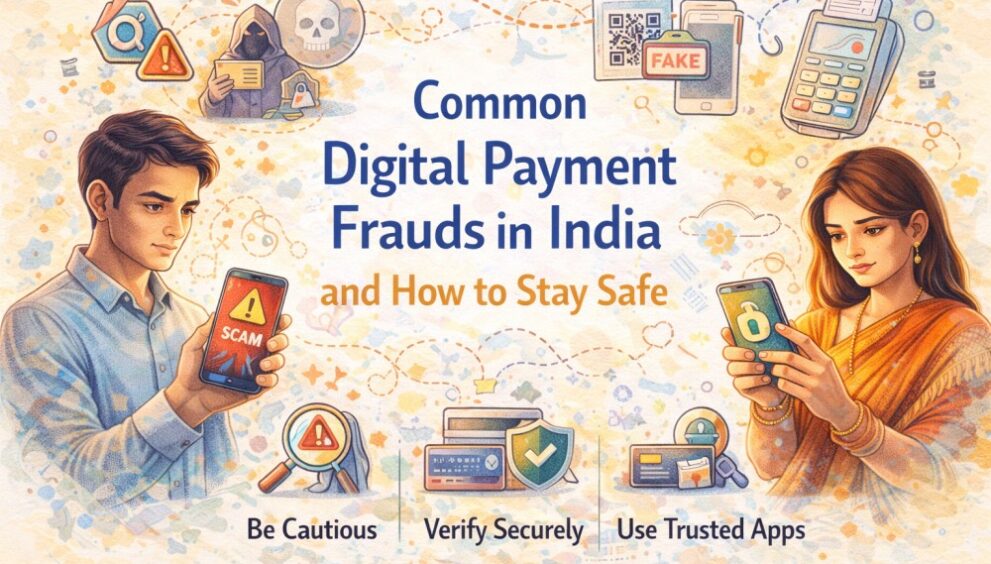
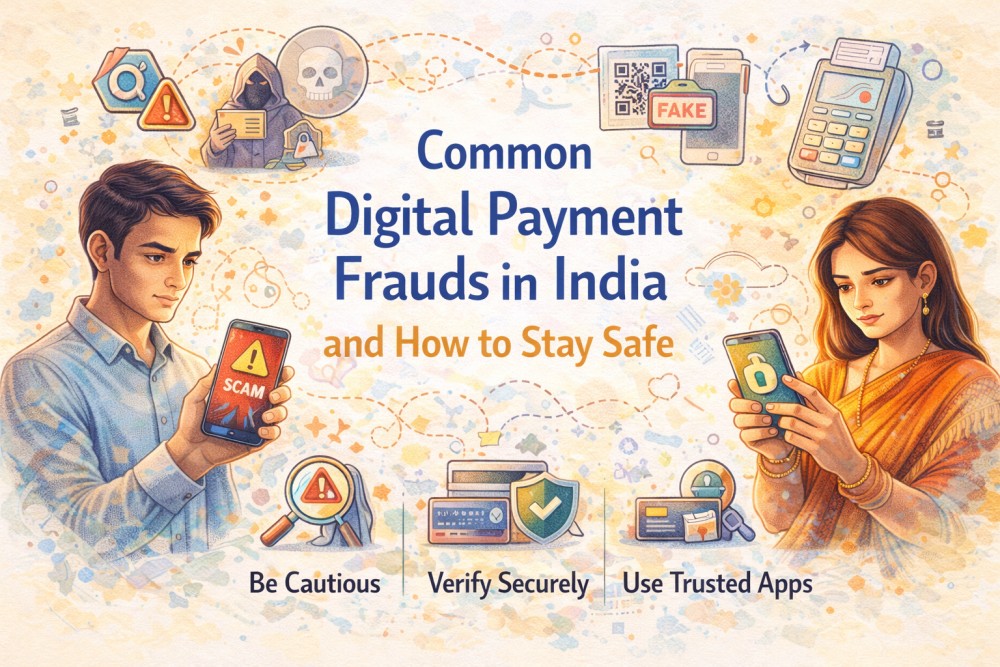
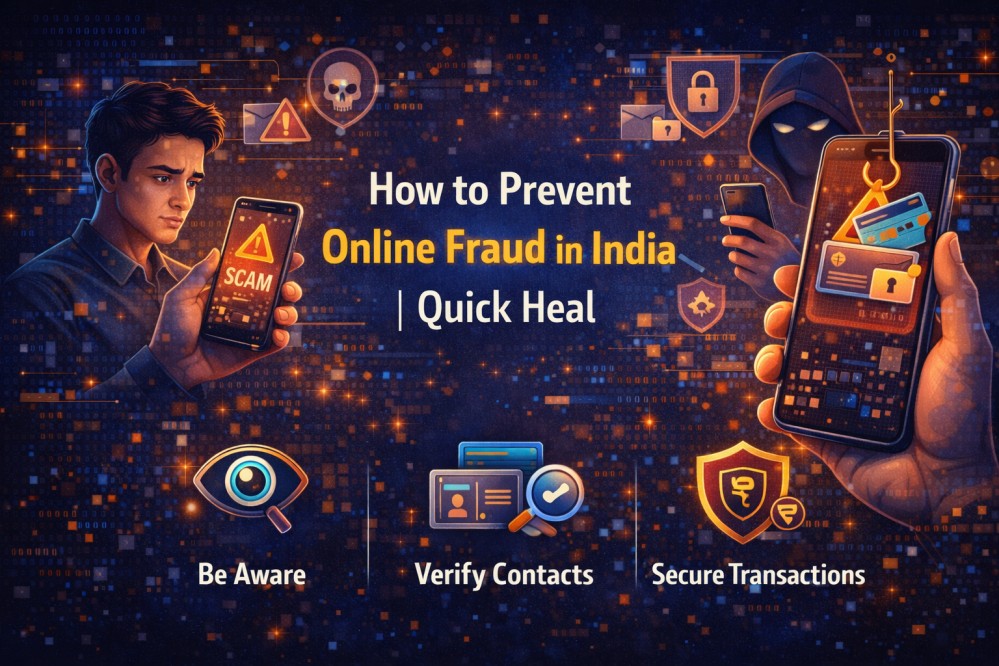
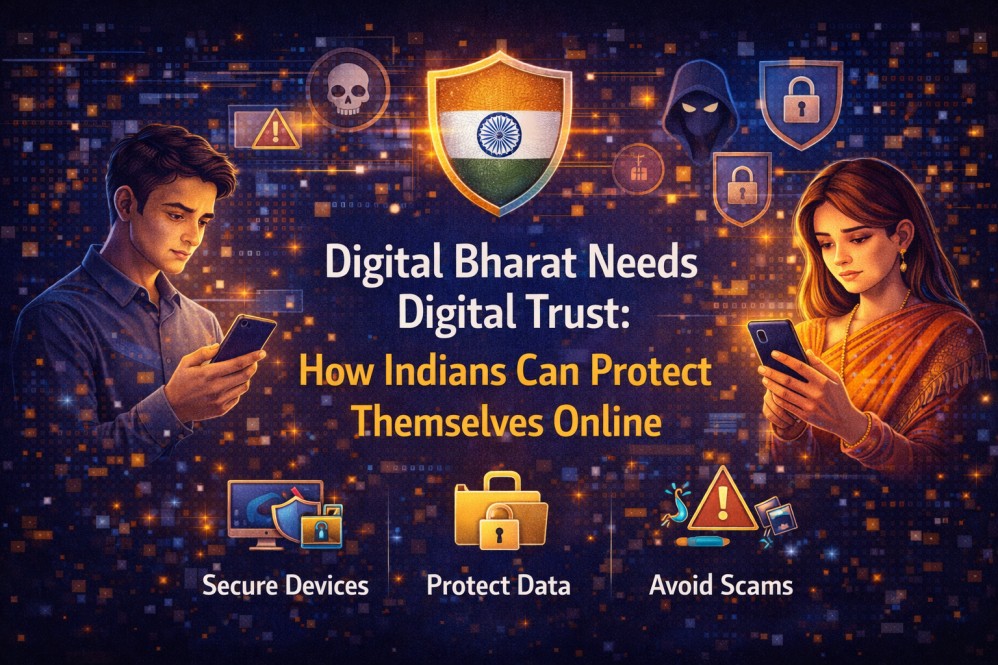
Digital payments in India are fast and convenient. UPI transfers, QR scans, wallets, and in-app bill payments are now everyday habits. The downside is that scammers target the same speed. Many digital payment frauds succeed not by breaking technology, but by pushing you into approving a transaction, clicking a link, or sharing a secret code.
If you learn the common patterns and slow down before you tap, you can avoid most online payment fraud attempts. A strong base of cybersecurity awareness helps you spot these tricks early and make safer decisions while paying online.
Most Common Digital Payment Frauds in India
Below are the types of digital payment fraud that frequently affect users, especially when you’re in a hurry or handling an unexpected request.
UPI Fraud and Fake Payment Requests
Scammers misuse UPI features to trick you into authorising payments instead of receiving money. Staying alert and using anti-fraud checks or warnings can help you spot suspicious requests before you approve anything.
QR Code Scams
Scammers may share a QR code and claim you must scan it to receive money, get a refund, or complete verification. In reality, scanning can open a pay flow or redirect you to something unsafe. Treat unknown QR codes as suspicious, especially when the other person is insisting you act quickly.
Collect Request Fraud
A common online pay scam is the collect trap. You get a request that looks like money is arriving, but it is asking you to pay. If you approve and enter your UPI PIN, you authorise an outgoing transfer. A simple rule helps: receiving money does not need your UPI PIN.
Online Fake Payment Proofs
Fraudsters may show a convincing payment confirmation message or image and demand that you deliver goods or share a code. Don’t rely on screenshots. Confirm inside your payment app or bank statement first, as this protects you from an online fake payment trick.
OTP and Banking Call Scams
In an OTP scam, a caller pretends to be from a bank, wallet, or security team and claims there is a blocked transaction, refund, or urgent account issue. They then ask for an OTP, UPI PIN, card PIN, or login information.
Once you share an OTP, you may be helping them access or authorise actions on your account. Legitimate organisations do not ask you to reveal OTPs over calls, SMS, or email.
Phishing Links and Fake Payment Pages
Phishing attacks messages via SMS, WhatsApp, email, or DMs may look like genuine alerts such as KYC updates, refunds, or delivery charges. These links often lead to fake payment pages that steal your details and enable unauthorised transactions. Avoid clicking unexpected links. Use the official app or type the website address yourself.
Fake Customer Care and Support Scams
When a payment fails, or an order gets stuck, scammers use fake customer care numbers, websites, and social profiles to trap you. They create urgency and ask you to verify details, share your screen, or install remote access tools. This can lead to digital payment fraud. Always use support links and numbers available inside the official app or website.
Warning Signs of Digital Payment Fraud
Most digital payment frauds share a few clear red flags that you can spot before you lose money.
Urgency, Pressure, and Threats
Be careful when someone:
- Pressures you to act immediately or threatens consequences.
- Discourages verification.
If the request is genuine, it can wait while you verify.
Requests for OTPs, PINs, or Screen Sharing
Treat these requests as instant red flags:
- OTPs, UPI PINs, passwords, or approval to receive money.
- installing screen-sharing/remote access tools, or scanning QR codes for refunds.
These are common triggers for electronic payment fraud and account takeovers.
How to Stay Safe While Making Digital Payments
A few simple habits can significantly reduce your risk of digital payment fraud while paying online.
Verify Before You Pay
Make verification your default habit:
- Read the prompt carefully and confirm whether you are paying or receiving.
- Verify the payee name and UPI ID inside the app.
- Confirm unexpected requests through a trusted number you already know.
- If you run a business, confirm the credit on the in-app/bank statement before handing over goods.
This alone prevents many digital payment frauds.
Use Secure Devices and Trusted Apps
A safer setup reduces exposure to fake pages and online payment scam tactics:
- Keep your phone and payment apps updated.
- Install apps only from official app stores.
- Lock your phone/payment apps with a strong passcode or biometrics.
- Avoid authorising payments on public Wi-Fi.
- Keep transaction alerts on and review activity regularly.
- Enable two-factor authentication where available and keep passwords unique.
- Use trusted antivirus software on your devices to reduce risk from malicious apps, unsafe downloads, and phishing attempts.
Digital Bharat ka Bharosa: Making Payments Safer in India
Digital Bharat ka Bharosa, Fraud se Suraksha captures the right idea: use digital payments with confidence, but protect yourself from fraud.
Along with better habits, people increasingly rely on protections that flag suspicious links, scam calls, risky apps, and fake pages.
What to Do If You Face Digital Payment Fraud
Act immediately to limit loss by reporting the transaction, securing your accounts, and saving all proof.
Report, Block, and Act Quickly
If you suspect an online fraud payment incident:
- Contact your bank and the payment app/wallet support through official channels, and report it.
- Ask for blocking, dispute steps, and any possible reversal attempt.
- Change passwords for linked accounts.
- Report the incident on India’s national cybercrime reporting portal
- Preserve evidence: transaction references, caller details, messages, links, and images.
Fast reporting improves your chances during the investigation of online payment fraud.
Conclusion
Digital payments should make life easier, not stressful. Most digital payment frauds depend on urgency and confusion, so your safest move is to slow down and verify.
Never share OTPs or PINs, avoid unknown links and QR codes, and use secure devices. That safety-first approach helps you enjoy digital payments while staying protected from online payment fraud.