


20
May
May

Identity Scan: What It Checks and How It Prevents Identity Theft
- Quick Heal / 5 months
- May 20, 2026
- 0

Table of Contents
Understanding the Identity Scan
- What Does an Identity Scan Actually Check?
- The Mechanics of Identity Theft Prevention
- Why Manual Monitoring is No Longer Enough
- Common Red Flags Caught by Scans
- How Identity Fraud Detection Saves Your Reputation
- The Future of Personal Data Security
- Actionable Steps to Secure Your Digital Life
- Final Thoughts: Staying One Step Ahead
In a world where we manage our entire lives through a glass screen, your personal data is the most valuable currency you own. It is also the most hunted. Most people think they are safe because they use a strong password, but modern fraud is far more sophisticated than a simple guessed login. This is where an identity scan becomes your most reliable defense.
This guide explains what an identity scan actually looks for, how it acts as a wall against identity theft protection, and why it is the missing piece in your personal security strategy.
Understanding the Identity Scan
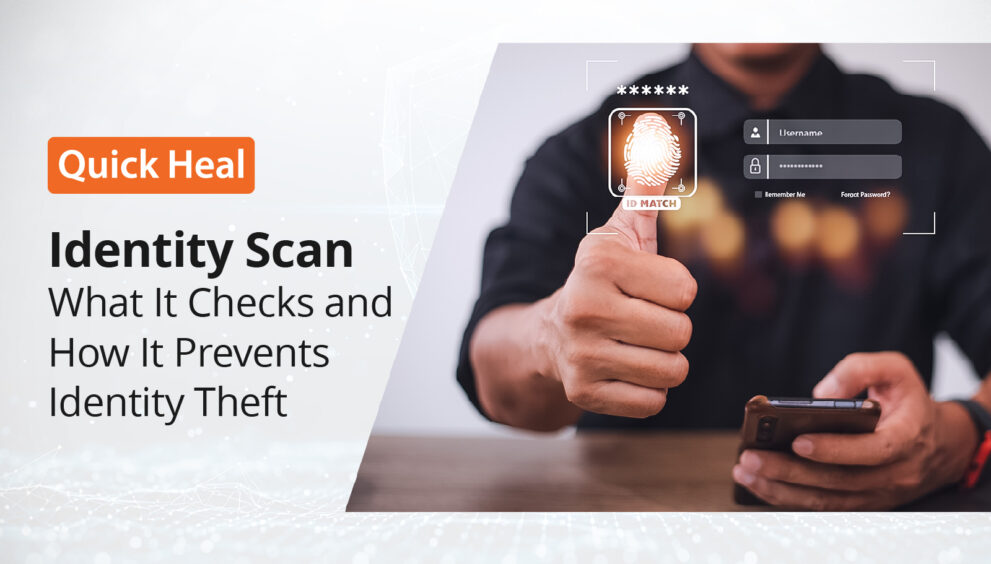
An identity scan is an automated search process that scours the deep corners of the internet, including the dark web, to see if your personal information is being traded, sold, or used without your permission. Think of it as a digital private investigator that never sleeps.
While a standard antivirus looks for malicious software on your laptop, an identity scan looks for your “digital twin”, your Social Security number, your bank details, and your email addresses, in places they should never be. It is a core component of identity theft protection because it identifies a leak before a criminal has the chance to empty your savings account or open a credit card in your name.
What Does an Identity Scan Actually Check?
When you run a scan, it isn’t just looking for your name. It looks for the building blocks that thieves use to reconstruct your life.
The Dark Web and Black Markets
The dark web is a hidden layer of the internet where stolen data is auctioned off in bulk. A scan checks these marketplaces for your credentials.
Public and Court Records
Fraudsters often use stolen identities to commit crimes or avoid legal trouble. Scans monitor court records to ensure no one is using your name in a legal proceeding.
Credit Header Data
This involves the top portion of your credit report. Changes here often signal that someone is trying to redirect your mail or change your registered address.
High-Risk Financial Transactions
This includes payday loans or wire transfers that don’t always trigger a standard credit bureau alert, but are common tools for identity fraud detection.
Data Point | Why It Is Monitored |
Email Addresses | The primary “key” to your online accounts. |
Phone Numbers | Used for SIM swapping and bypassing two-factor authentication. |
SSN / National IDs | The ultimate prize for synthetic identity fraud. |
Credit Card Numbers | Checked against known “dumps” from retail data breaches. |
Medical ID | Used for insurance fraud and illegal access to prescriptions. |
The Mechanics of Identity Theft Prevention
The best way to stop a fire is to remove the fuel. Identity theft prevention works by shrinking the window of opportunity for a criminal.
When your data is leaked in a corporate breach, it usually ends up on a list with millions of others. At this stage, the criminal hasn’t used your data yet; they are just holding it. An identity scan alerts you at this exact moment. By changing your passwords or freezing your credit immediately, you make that stolen data useless.
Without these tools, most people only realize they are victims months later when they get a call from a debt collector or find their bank account is at zero. Proactive identity theft prevention shifts the power back to you.
Why Manual Monitoring is No Longer Enough
Years ago, you could stay safe by checking your paper bank statement once a month. Those days are gone. Data moves at the speed of light. A password stolen in a breach at 2:00 PM can be used to access a bank account by 2:05 PM.
Humans cannot scan thousands of leaked databases manually. We also cannot see the dark web through a standard browser like Chrome or Safari. Automated tools are necessary because they provide identity theft protection at scale. They connect the dots between a leaked email in 2024 and a suspicious login attempt in 2026.
Common Red Flags Caught by Scans
If you receive an alert from an identity scan, it usually points to one of these common issues:
- Credential Stuffing: Your password from an old, forgotten shopping site was leaked, and hackers are now trying that same password on your bank or primary email.
- Address Proximity Alerts: Someone has applied for credit using your Social Security number, but a different home address.
- Ghosting: A thief is using the identity of a deceased family member to open accounts, a common gap in many people’s security.
- Synthetic Identity Creation: This is a complex version of fraud where a criminal combines your real SSN with a fake name and address to create a brand new credit file.
How Identity Fraud Detection Saves Your Reputation
Identity theft is a reputation crisis. If a criminal commits a crime or defaults on a loan in your name, clearing your record can take years of legal battles.
Effective identity fraud detection acts as an early warning system. By monitoring for “new account” alerts, it spots unauthorized cellular plans or credit cards as they open. This allows you to shut them down before a bill is generated, preventing the long-term credit damage that follows identity crimes.
The Future of Personal Data Security
As AI simplifies the creation of convincing phishing and deepfakes, your permanent “static” data, like your birth date, is at higher risk. You cannot change your history once it leaks.
The future of identity theft protection is shifting from periodic checks to “always-on” real-time scanning. An identity scan is no longer a luxury for the tech-savvy; it is a basic requirement for anyone with a smartphone and a bank account.
Actionable Steps to Secure Your Digital Life
An identity scan works best when paired with solid digital hygiene. Build a complete defense with these steps:
- Use a Password Manager: Stop reusing passwords. If one site is breached, an identity scan alerts you while the manager keeps other accounts isolated and safe.
- Enable MFA: Multi-factor authentication is your strongest secondary defense. Even with a stolen password, thieves cannot bypass a physical token or app.
- Freeze Your Credit: Keep your credit file frozen unless you are actively applying for a loan. This blocks thieves from opening new accounts in your name.
- Audit Your Permissions: Remove apps that have unnecessary access to your social media data. Reducing your footprint leaves less for a scan to find in the wrong hands.
Staying One Step Ahead
In a shifting digital landscape, being a difficult target is your best defense. Criminals seek the path of least resistance. By using identity fraud detection and active identity theft protection, you turn yourself into a high-risk, low-reward target for hackers.
Regularly running an identity scan replaces guesswork with clarity. Instead of wondering if you are safe, you get a direct report on your vulnerabilities and how to fix them.
At Quick Heal, we believe safety goes beyond just blocking viruses. Because modern threats target your personal details, we provide tools for identity theft prevention that monitor for unauthorized use of your information. We protect your financial health and reputation by watching the areas you cannot see. Stay ahead by securing your digital footprint today.