


10
Jul
Jul

How Cybercriminals Exploit National Events
- QuickHeal / 3 months
- July 10, 2026
- 0

Table of Contents
- Understanding the Cyber Risk Around National Events
- Why Cybercriminals Exploit High-Emotion Moments
- How a Cyber Attack India Pattern Emerges During National Events
- Hacktivist Attack India: When Digital Protest Becomes Cyber Disruption
- Common Tactics Used After National Events
- Why This Creates a Digital Safety Crisis
- What Individuals Should Watch Out For
- What Businesses Should Do During High-Risk Periods
- Final Thoughts: Staying Digitally Alert
When a major national event takes place, people naturally look for updates. They check news alerts, watch videos, follow social media threads and forward messages to family and friends. In these moments, emotions are high, and attention moves quickly.
Cybercriminals understand this behaviour very well. They know that during moments of national concern, people are more likely to click links, download videos, open forwarded documents, or trust messages that appear urgent. This is how a larger cyber attack pattern in India can begin around real-world events.
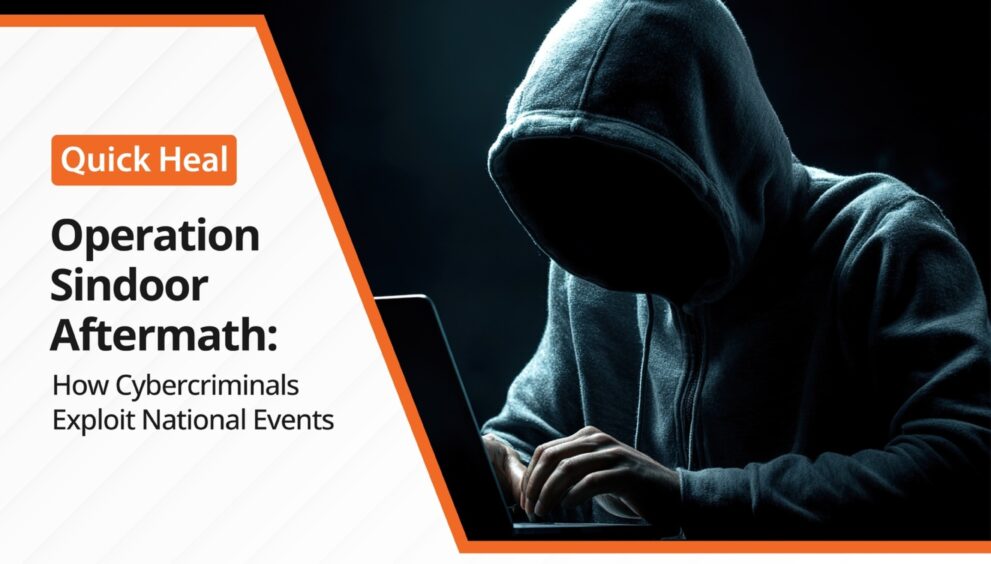
Operation Sindoor is an important example of how national security developments can also create a digital risk environment. After such events, cybercriminals, scammers, misinformation networks and hacktivist groups often try to exploit public curiosity, fear and patriotism. Their goal may be to steal data, spread malware, disrupt services or manipulate public opinion.
Why Cybercriminals Exploit High-Emotion Moments
Cybercrime works best when people act quickly without checking carefully. National events create exactly that environment.
A message claiming to show “exclusive footage” may push users to click a fake video link. A fake donation page may ask people to support affected families or the armed forces. A forwarded PDF may claim to contain an official update but may actually carry malware. A fake social media account may impersonate a government department, journalist, military officer or public authority.
In ordinary times, users may pause before clicking. But during high-emotion events, urgency often takes over. Cybercriminals use this urgency as a weapon.
How a Cyber Attack India Pattern Emerges During National Events
A cyber attack in India during national events usually has two sides: attacks on systems and attacks on people.
System-level attacks may target government portals, news platforms, public-service websites, financial institutions, defence-linked ecosystems or critical infrastructure. These may include distributed denial-of-service attacks, website defacements, phishing campaigns, malware attempts or data leak claims.
People-level attacks are often more personal. Users may receive fake alerts, WhatsApp forwards, social media posts, email attachments, donation requests, mobile app links or “breaking news” videos. These may be designed to steal credentials, collect personal details, install spyware or spread misinformation.
Common Tactics Used After National Events
Cybercriminals and malicious actors often reuse familiar tactics during high-interest national events. The difference is that the emotional trigger makes them more believable.
Common tactics include:
- Fake breaking news links shared through WhatsApp or social media
- Malicious video files claiming to show exclusive footage
- Fake donation pages or QR codes
- Impersonation of government officials or defence personnel
- Phishing emails using patriotic or urgent subject lines
- Fake apps claiming to provide live alerts or security updates
- Social media accounts are spreading manipulated visuals
- Malware hidden in PDFs, images, links or compressed files
- Data leak claims are designed to lure users to unsafe websites
- Fraudulent investment or relief campaigns linked to the event
These tactics are dangerous because they look timely. A scam that may seem suspicious on a normal day may appear believable when it is connected to a national headline.
Why This Creates a Digital Safety Crisis
A digital safety crisis begins when people cannot easily separate real information from manipulated information. During national events, this confusion can spread quickly.
The risk is not limited to financial loss. Users may unknowingly share false information, download malware, expose personal data, compromise work devices or help amplify panic. Businesses may face phishing attempts, employee-targeted scams or attacks on exposed systems. Public institutions may face service disruption or reputational damage.
The bigger concern is that cybercriminals now exploit both technology and psychology. They do not need every user to fall for the scam. They only need enough people to click, forward, download or trust without verifying.
This is why digital safety must become part of national awareness. Just as users verify news from trusted sources, they must also verify links, attachments, accounts and donation requests.
What Individuals Should Watch Out For
During and after national events, users should be extra careful with anything that creates urgency.
- Do not click links that claim to show leaked footage, confidential updates or shocking videos. Avoid downloading files from unknown sources, even if they are shared by someone you know. Forwarded messages may still carry unsafe links.
- Check whether social media accounts are genuine before trusting updates. Be careful with donation requests, especially those shared through QR codes, UPI IDs or shortened links. Always verify through official websites or trusted organisations.
- Do not install apps that claim to provide special alerts or restricted information. These may contain spyware, adware or data-stealing malware.
Most importantly, pause before reacting. Cybercriminals depend on speed. Digital safety depends on verification.
What Businesses Should Do During High-Risk Periods
For businesses, national events can increase phishing, impersonation and malware risks. Employees may receive emails or messages linked to the event, especially if they work in media, finance, technology, logistics, public services or critical sectors.
Organisations should alert employees about event-based phishing. They should remind teams not to open unknown attachments, download unofficial files or click links from unverified sources. IT teams should monitor unusual login attempts, suspicious traffic, endpoint alerts and fake domains using the organisation’s name.
Access controls, multi-factor authentication, endpoint protection, email security and regular backups become especially important during high-risk periods. A cyber attack may not target every business directly, but opportunistic attackers often use national headlines to widen their reach.
Businesses should also have a clear reporting process. Employees must know whom to contact if they receive a suspicious message, click a link or notice unusual system behaviour.
Final Thoughts: Staying Digitally Alert
Operation Sindoor showed how national events can extend into the digital space. In the aftermath of such developments, cybercriminals do not wait. They use public emotion, breaking news cycles and online confusion to launch scams, malware campaigns, misinformation and disruption attempts.
The lesson is clear. During major national events, digital safety is not optional. Every user must be cautious with links, files, social media posts, donation requests and urgent messages. Every business must strengthen monitoring, employee awareness and endpoint protection.
As the cyber threat landscape in India evolves, staying safe means staying informed, cautious and protected.
With Quick Heal, digital protection goes beyond blocking viruses. Modern threats exploit fear, curiosity, patriotism and urgency. With trusted cybersecurity protection, safer browsing habits and real-time threat awareness, users can reduce the risk of scams, malware and misinformation-driven attacks.
Explore trusted antivirus and fraud protection solutions