Table of Contents
The Era of the Voice Call: How It Started
- The Shift to Messaging: WhatsApp and SMS Traps
- The Danger of Fake Apps: The Ultimate Control
- Common Red Flags to Identify Scam Phone Numbers
- Why Scammers Are Harder to Catch in 2026
- Practical Steps to Protect Your Device
- Conclusion
Your phone rings. You do not recognize the number, so you let it go to voicemail. A few minutes later, you get a ping on WhatsApp. It is a “recruiter” offering a high-paying job for just three hours of work a day. This is the new reality of the phone scam. Gone are the days when a fraudster just pretended to be from your bank. Today, they are sophisticated, patient, and tech-savvy.
Scammers have shifted their tactics from simple voice calls to complex digital traps involving malicious links and fake applications. Understanding this shift is the only way to stay ahead of them.
The Era of the Voice Call: How It Started
In the beginning, mobile phone scams were straightforward. A human would call you, often pretending to be a government official or a bank representative. They relied on social engineering, the art of manipulating people into giving up information. The goal was usually to get a credit card number or a one-time password (OTP).
As people became wary of talking to strangers, scammers moved to phone scam calls powered by robodialers. These systems can dial thousands of numbers every minute. If you pick up, you hear a recorded voice telling you your account is compromised or that you owe back taxes. These scam callers rely on the law of large numbers. If they call 10,000 people and only 5 fall for it, they still make a significant profit.
However, the voice-only approach had a weakness: it required the victim to stay on the line and follow instructions in real-time. This gave people a chance to think or hang up. To fix this, criminals started moving the “conversation” to text-based platforms.
The Shift to Messaging: WhatsApp and SMS Traps
The next phase in the phone scam timeline involved SMS and WhatsApp. Text-based fraud is often more effective because it feels less intrusive. You might ignore a call, but you almost always read a text message.
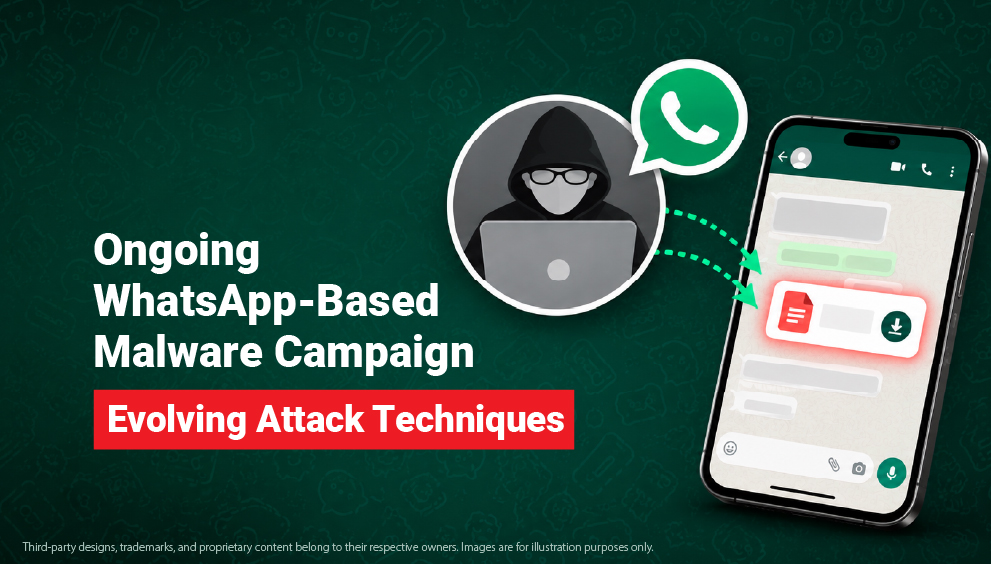
Scammers now use WhatsApp to send “job offers,” “investment opportunities,” or “urgent alerts” about a parcel delivery. These messages usually contain a link. Clicking that link is the moment the trap springs.
Why WhatsApp is the Preferred Tool
- Trust Factor: WhatsApp feels personal. People often lower their guard on social apps compared to formal emails.
- Media Rich: Scammers can send fake “official” documents or screenshots of high earnings to make the mobile phone scams look legitimate.
- Global Reach: A scammer in one country can message a victim in another without paying international calling rates.
When you click a link in these messages, you are often directed to a “phishing” site. This site looks exactly like your bank’s login page or a legitimate shopping site. Once you enter your details, the scammers have everything they need to drain your accounts.
The Danger of Fake Apps: The Ultimate Control
The most dangerous evolution is the rise of the fake app. Instead of just stealing your login info, scammers now want to live inside your phone. They do this by tricking you into downloading a “security update,” a “customer support tool,” or a “reward app” through a link.
These apps are not found on official stores like Google Play or the Apple App Store. Instead, they are downloaded as APK files. Once installed, these apps can:
- Read your SMS: This allows scammers to see your OTPs and bypass two-factor authentication.
- Remote Access: Some apps allow the scammer to see your screen or control your phone remotely.
- Contact Scraping: They steal your contact list to find new victims, often using your name to build trust with your friends and family.
Type of Attack | Primary Goal | Delivery Method |
Phone Scam Calls | Direct theft of info | Voice/Robocall |
Phishing Links | Credentials/Logins | WhatsApp or SMS |
Fake Apps | Total device control | Malicious Downloads |
One of the best ways to protect yourself is to recognize the patterns. Most scam phone numbers share similar traits. If you see a number that looks like a local mobile number but the caller claims to be from a major international corporation, be suspicious.
Scammers often use “spoofing” technology to make their scam callers appear as if they are calling from a trusted source, like your local police station or bank. If a caller creates a sense of extreme urgency or threatens you with immediate arrest, it is almost certainly a phone scam. Legitimate organizations do not demand payment via gift cards or crypto over the phone.
The technology used by scam callers has become much more accessible. Artificial Intelligence now allows fraudsters to clone voices. A scammer might only need a ten-second clip of a loved one’s voice from social media to create a fake emergency call.
Furthermore, the rise of “Scam-as-a-Service” on the dark web means that even low-level criminals can buy the tools needed to launch professional-grade mobile phone scams. They can buy lists of scam phone numbers and automated scripts for a small fee. This industrialisation of fraud makes it a constant battle for law enforcement.
Stopping a phone scam starts with a few simple habits. You do not need to be a tech expert to stay safe.
The evolution of the phone scam shows that criminals will always find new ways to exploit our trust. They have moved from the “low-tech” voice call to high-tech app takeovers. As we rely more on our devices for banking, shopping, and working, the stakes only get higher.
Staying safe in this environment requires a mix of healthy skepticism and the right technical support. While the methods of mobile phone scams will continue to change, the basic principles of caution and verification remain your best defense.